
Debunking Common Myths About Live-In Care
HI
Understanding Live-In Care: Dispelling the Myths
Live-in care is an increasingly popular option for many families, offering a personalized alternative to traditional nursing homes. However, several myths persist about this type of care, often leading to misconceptions and hesitation. In this post, we’ll debunk some common myths and provide clarity on what live-in care truly offers.
One prevalent myth is that live-in care is only for the wealthy. While cost is certainly a consideration, live-in care can be a cost-effective solution when compared to the cumulative expenses of residential care homes. Many families find that the benefits of personalized care and companionship provide significant value.
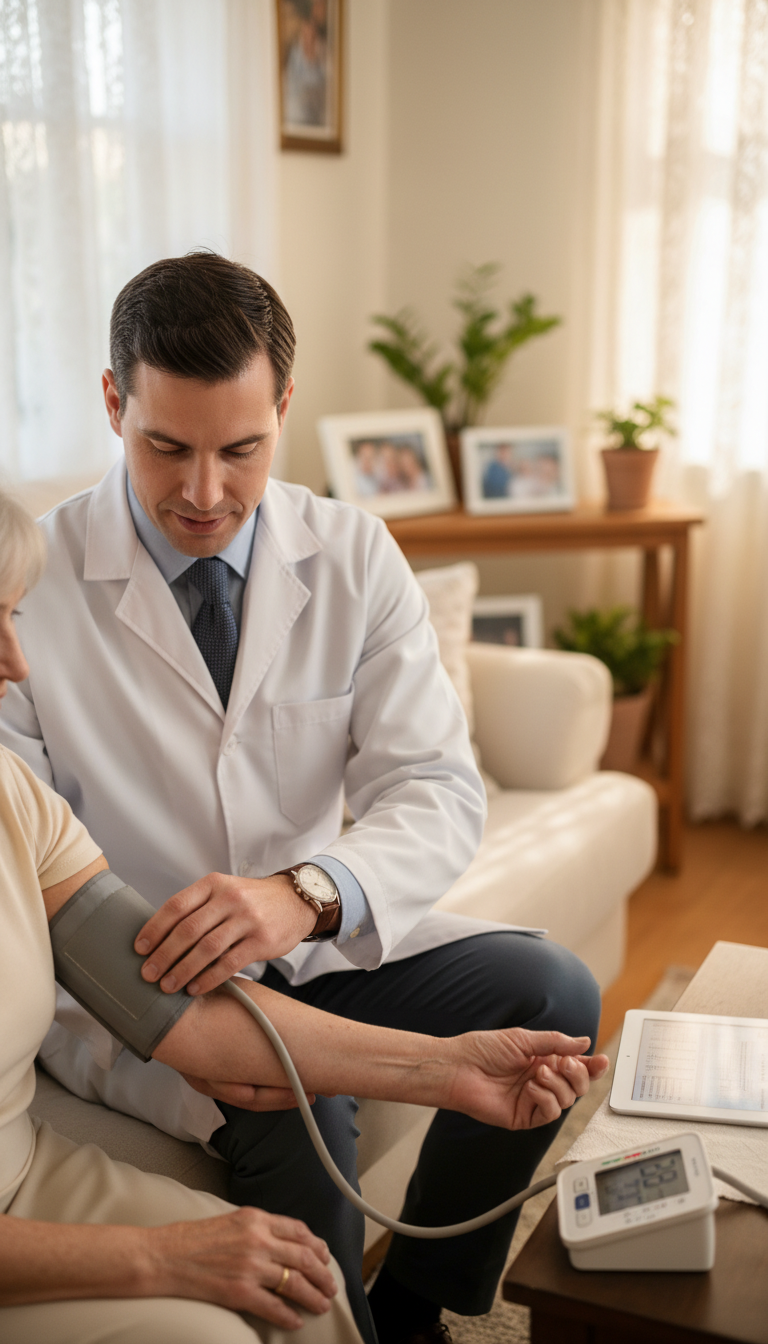
Myth 1: Live-In Care Lacks Professionalism
Some people believe that live-in caregivers are not as qualified as those in nursing homes. This is far from the truth. Qualified live-in caregivers often have extensive training and certifications, ensuring they can provide high-quality care tailored to individual needs. This personalized approach often results in better outcomes and satisfaction for the care recipient.
In addition, live-in caregivers develop strong bonds with the individuals they support, enhancing emotional well-being and providing consistent, compassionate care. This relationship can be a significant advantage over rotating staff in larger facilities.
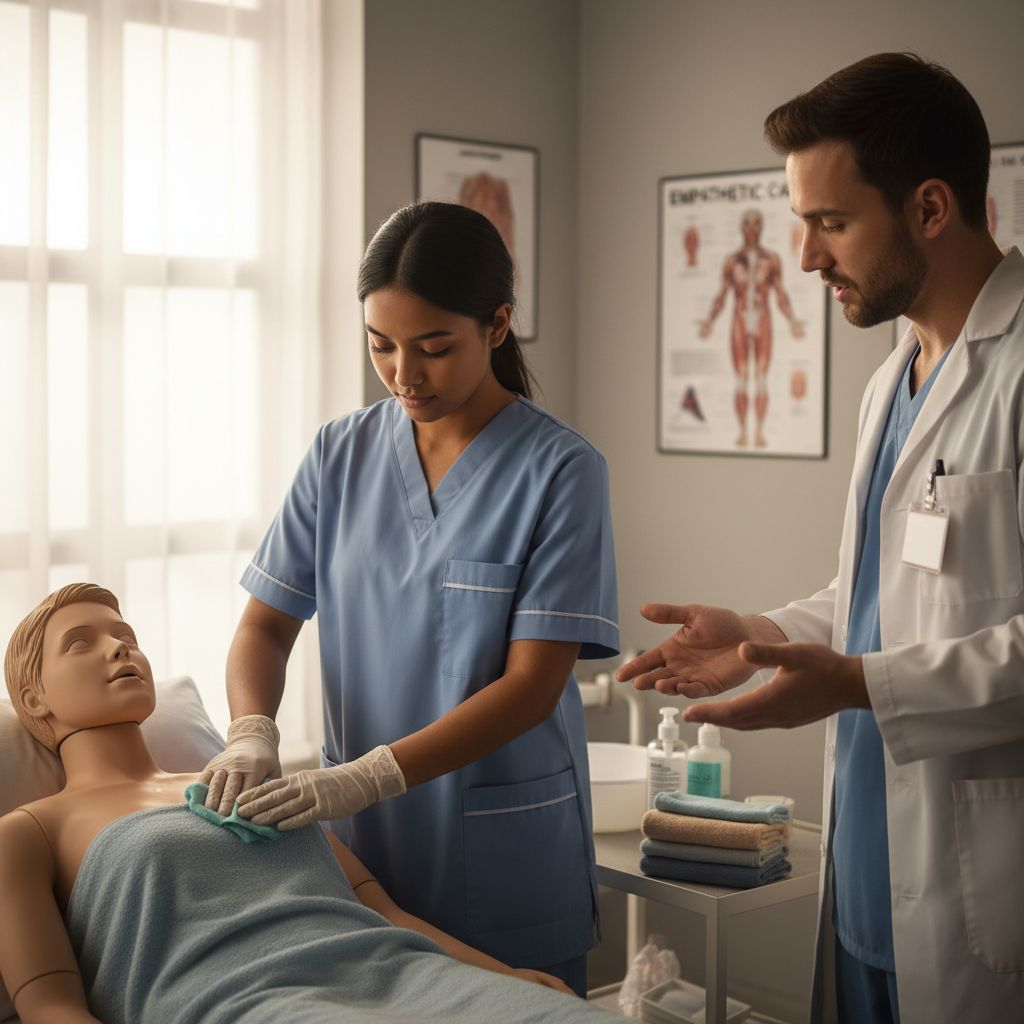
Myth 2: Live-In Care Isn't Comprehensive
Another misconception is that live-in care doesn’t cover all necessary services. In reality, caregivers provide a wide range of support, from daily activities and meal preparation to medication management and specialized medical care. This comprehensive approach ensures that all aspects of a person’s well-being are addressed.
Families can work with care providers to tailor a plan that fits their specific needs, offering flexibility that is often unavailable in more institutional settings. This customization allows for a seamless integration of care into the individual's daily life.
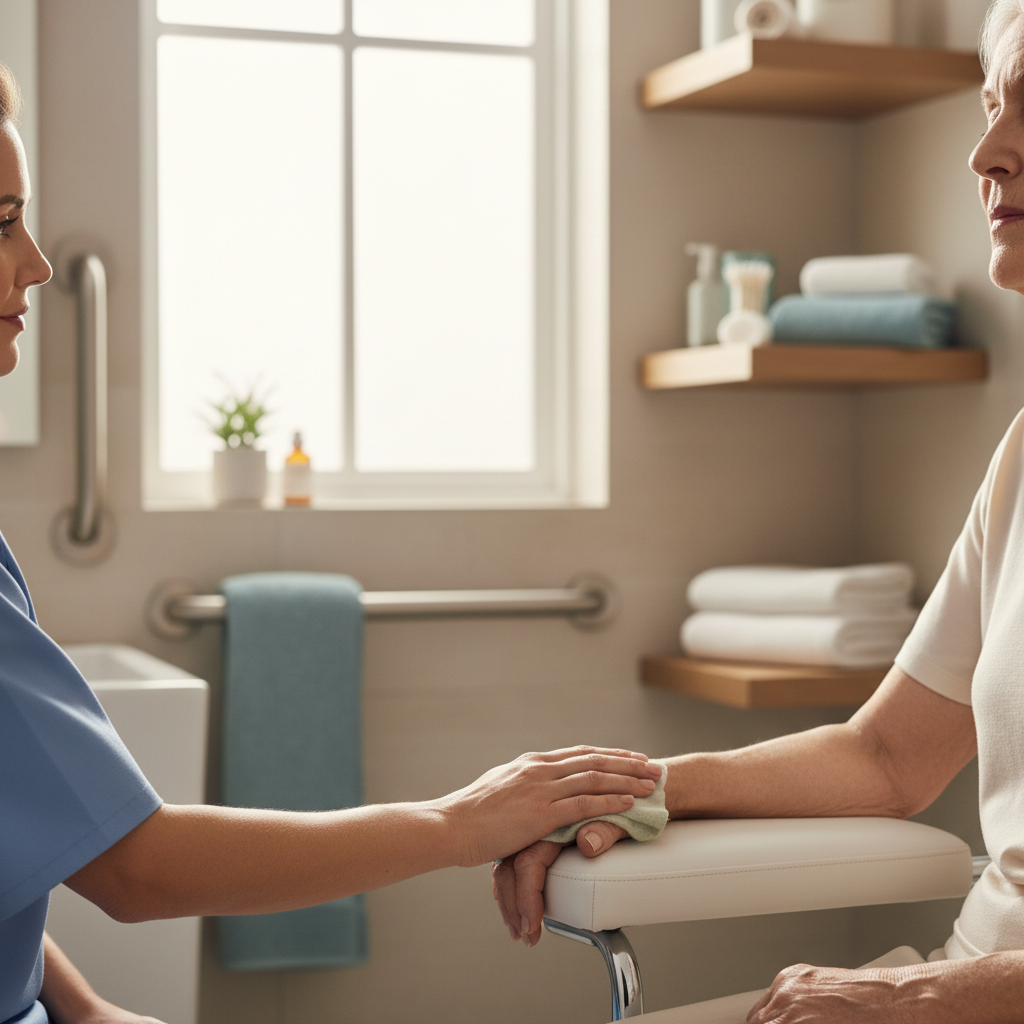
Myth 3: Live-In Care Compromises Privacy
Many worry that having a caregiver in the home will infringe on privacy. However, professional caregivers are trained to respect boundaries and privacy while providing necessary support. The arrangement can be structured to ensure that personal space and independence are maintained.
The ability to remain in a familiar environment often enhances comfort and security, which can significantly improve quality of life. Care recipients can continue with their routines, surrounded by personal belongings and memories.
Myth 4: Transitioning to Live-In Care is Difficult
Transitioning to live-in care is often perceived as a challenging process. However, with the right support and planning, the transition can be smooth and stress-free. Care agencies typically offer guidance throughout the process, ensuring all parties feel comfortable and informed.
By addressing specific concerns and setting clear expectations, families can ease into the change, allowing their loved ones to benefit from personalized care without unnecessary disruption.

In conclusion, live-in care is a viable and beneficial option for many families, offering professional, comprehensive, and personalized care in the comfort of home. By dispelling these myths, more people can make informed decisions about the care of their loved ones, ensuring they receive the support and attention they deserve.