
A Comprehensive Guide to Live-In Care: What You Need to Know
HI
Understanding Live-In Care
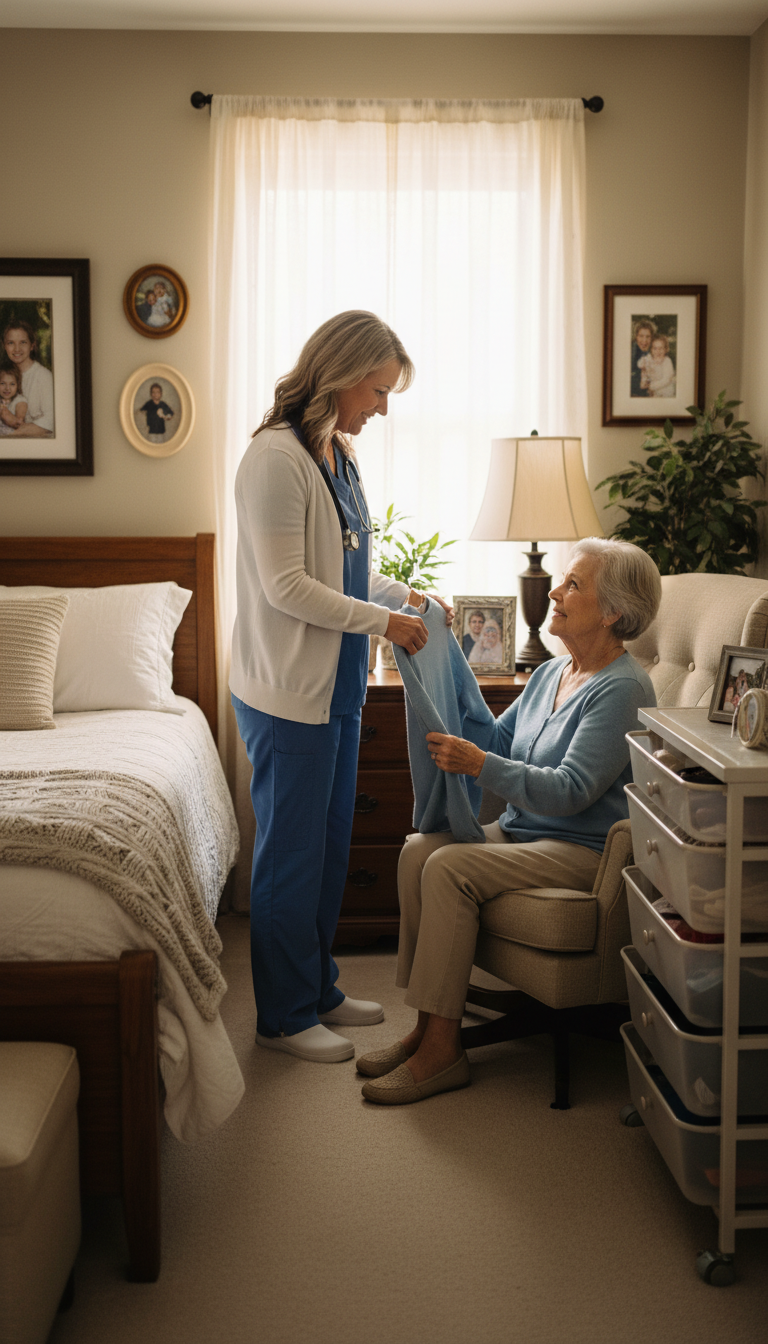
Live-in care is an increasingly popular option for individuals who require assistance but wish to remain in the comfort of their own homes. It involves a professional caregiver living in the home of the person needing care, providing round-the-clock support. This arrangement offers numerous benefits, including personalized care and the comfort of familiar surroundings.
Choosing live-in care can be a daunting decision, but understanding what it entails can help make the process smoother. Here, we’ll explore the key aspects of live-in care, from benefits to considerations.

Benefits of Live-In Care
One of the most significant advantages of live-in care is the personalized service it provides. Unlike a nursing home, where staff attend to multiple residents, a live-in caregiver focuses solely on one individual, tailoring care to their specific needs and preferences. This personalized approach can enhance the quality of life for the person receiving care.
Additionally, staying at home allows individuals to maintain their routine and enjoy the familiarity of their personal space. This can be particularly beneficial for those with memory issues, as a familiar environment may help reduce confusion and anxiety.
Types of Services Provided
Live-in caregivers offer a wide range of services, including but not limited to:
- Assistance with daily activities such as bathing, dressing, and meal preparation
- Medication management and administration
- Companionship and emotional support
- Household chores and maintenance
- Transportation to appointments and social activities
Considerations When Choosing Live-In Care
When deciding on live-in care, there are several factors to consider. It’s essential to assess the level of care needed, which can vary significantly from one person to another. Some may require medical assistance, while others may only need help with daily tasks.
Budget is another crucial consideration. While live-in care can be more affordable than a nursing home, costs can vary based on the level of care required and the caregiver’s experience. Researching and comparing options is vital to ensure the best fit for your needs and budget.
Finding the Right Caregiver
Finding the right caregiver is critical to the success of live-in care. It’s important to look for someone with the appropriate qualifications and experience, as well as a compatible personality. Many families choose to work with agencies that specialize in matching caregivers with clients, as they can provide vetted candidates and ongoing support.

Preparing for Live-In Care
Before a caregiver moves in, some preparation is required. This includes setting up a comfortable living space for the caregiver, discussing daily routines, and establishing clear communication channels. A well-prepared environment can ensure a smooth transition and foster a positive relationship between the caregiver and the individual receiving care.
Consideration should also be given to privacy and personal boundaries. Both parties should feel comfortable discussing preferences and any concerns that arise during the care arrangement.
Conclusion
Live-in care offers a viable alternative for those who wish to remain in their own homes while receiving the support they need. By understanding the benefits and considerations, families can make informed decisions that best meet their loved ones’ needs. With the right preparation and caregiver selection, live-in care can provide a fulfilling and comfortable experience for everyone involved.